

What is Piano Bench
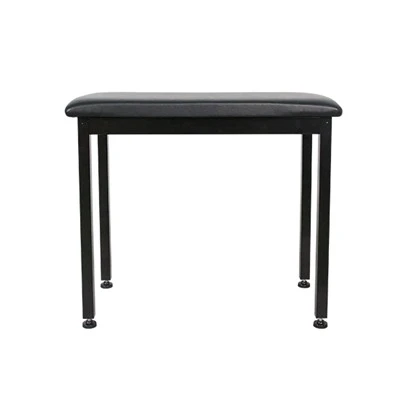
A piano stool, also referred to as a piano bench or piano chair (depending on style) is a seat especially designed for use at the piano, which can provide more playing comfort than a normal chair. A grand piano with an adjustable piano stool.
The Unseen Challenges of Fixed-Height Benches
Before we delve into the numerous advantages of piano benches, let's discuss the traditional fixed-height benches. While these benches have long been standard in music schools and private studios, they come with a set of challenges, especially in multi-user environments.
Tailoring to Individual Needs
Against this backdrop, piano benches have emerged as an innovative solution. By offering height customizability, these benches cater to each student's unique needs, thus ensuring a personalized and ergonomic seating arrangement.
Improving Posture and Technique
Correct posture is crucial to the development of a pianist. A student positioned too high may strain their wrists, while one seated too low may have difficulty achieving the necessary leverage for expressive playing.
With a piano bench, these issues can be mitigated, as each student can modify the bench height to ensure optimal arm and wrist alignment.
In addition, piano benches play a significant role in developing effective piano techniques. An appropriate seating height allows the students to gain better control over the keys, significantly impacting their touch, tone, and overall performance.
Enhancing Practice Efficiency
Piano benches also contribute to the efficiency of practice sessions. Thanks to their ability to reduce physical discomfort, students can focus more on their music.
The bench's flexibility allows students to adjust their seating as needed, further boosting their comfort level during extended practice sessions.
Accommodating Growth
For younger students, growth spurts can dramatically change their physical relationship with the piano over time. A bench that was suitable one year may no longer be comfortable the next.
Why Choose us
Experience and expertise
In our team, we have a group of professional welders, each with over 30 years of rich experience. These masters not only excel in various welding techniques but also strive for perfection in every welding process.
Quality Assurance
Utilizing high-quality powder coating materials to ensure long-lasting vibrant colors, along with scratch resistance and weather durability.
Complete Product Range
Our range includes hand crank horn stands, lighting stands, TV mounts, tablet mounts, microphone stands, keyboard stands, guitar stands, and more, catering to the preferences of markets in Europe, America, Japan, and Taiwan.
Tips for Choosing the Right Piano Bench
Upright vs. Grand
First things first, if you have a grand piano choose a grand piano bench, and if you have an upright piano opt for an upright piano bench. The reason? Grand pianos and upright pianos sit at different heights, and the benches are manufactured to reflect the difference. Generally speaking, grand piano benches are between 33” and 36” wide, and is proportionate to the size of the instrument. If you try to save a few bucks by purchasing an upright bench for a grand piano, the end result won't be pleasing. You'll likely find yourself sitting in the wrong position, and it'll look disproportionate to the instrument.
Cushion & Support
While piano benches without cushions may look aesthetically pleasing, they aren't as functional as those with built-in support. Think about it: would you prefer to ride a bike with or without a padded seat? As previously mentioned, you'll be practicing anywhere from a half an hour to a few hours a day, so keeping an eye out for a comfortable seat is crucial. If you're purchasing a piano bench from a brick and mortar store, sit on them and test them out.
Storage Space
A great deal of modern day piano benches include space for storage beneath it, and for good reason. From sheet music to metronomes, there's plenty of piano accessories you'll need to keep within reach. And, unlike other instruments, you won't be carrying your piano around in a bag that has plenty of compartments for your accessories. Regardless of the piano bench you choose, make sure it opens and closes easily. If it's overly complicated in nature or seems like it'll break after only a few uses, keep looking for a better option. Be sure to check the knobs, hinges, and legs for sturdiness.
Style & Decor
But not least, keep an eye out for a piano bench that will match the style and decor of your piano and the room its kept in. For example, if you have a baby grand piano, opt for a classic piano bench that's manufactured from mahogany or rosewood. On the other hand, if you own a digital piano and live in a more modern home, your piano deserves a metal piano bench that'll truly complete the look. The best thing about piano benches is they're easier to replace than the piano itself.
Your Elbows Should Be at Keyboard Height
The ways your muscles respond depend on your height when seated at the piano. Too low, and you lose power in the wrist and the burden rests solely on your finger muscles to push the keys. Conversely, when you're seated with your elbows higher than the keyboard, it isn't your finger muscles that are working to push the keys but your forearms. Your fingers not only work less but also perform worse.
Although the distance of the bench to the piano is a matter of personal choice, it's generally accepted that the bench should be adjusted so that the elbows and wrists of the pianist are in line with the keyboard when his fingers are resting on the keys. This is the proper seating position, with elbows ideally forming an angle of about 90 degrees. This means, do not hesitate to lower the bench if you are tall or raise it if you are short. The position must also allow the pianist to move freely and with agility and flexibility as well as freely use the strength of his upper limbs and easily reach the pedals. Finally, the piano bench must also be far enough from the piano that the elbows do not touch the body.
Stabilizing the Bench
The stability of the piano bench is also an important factor because it allows the pianist to get proper support from his feet without feeling any wobbling in his legs. A stable bench also avoids producing annoying squeaks.
Place Feet Flat on the Floor
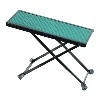
Ideally, the seat should allow your feet to rest flat on the floor. If that isn't possible, you could use a footstool so your feet can rest flat. Once properly seated in front of the piano, sit up with your back straight and get into an active sitting position.
Simultaneously and Equally Turn the Knobs
On a piano bench, you adjust the height by using knobs on each side. Be sure to turn each one the same amount in the same direction so the seat doesn't tilt. Pay the same sort of attention to benches with hydraulic systems. To adjust the height, remain seated and use the side levers (it's the same system you see on office chairs.)
Adjusting the Position
The aforementioned rules for adjusting your piano bench provide a good starting point, but as each person's body is different, it's possible that you may need to adjust the height a bit to find a position that minimizes any discomfort and lets you play with as much freedom as possible.
A proper seated position is essential to playing the piano comfortably and preventing any back pain from arising. This is particularly the case for pianists who like to play large chords. Properly adjusting your piano bench is key, but you also need to adopt an active sitting position and have your feet resting flat on the floor or a footstool.
Is a Piano Bench the Same as a Chair?
People freshly introduced to the world of the piano frequently have the same question, among others: is a piano bench the same as a chair when playing the piano?
This is especially common for those who want to get a piano set up on a budget, maybe because they already have a chair at home and wonder if they can simply use it to play the piano.
The answer requires a few explanations on how a pianist may use a chair to play the piano, the differences between a piano bench and a chair when playing piano, the potential consequences of choosing either one and, finally, how a special chair for piano works.
The Usual Confusion
In the mission of getting a piano set up at home, many players (or oftentimes their parents) consider the possibility of using a chair for playing the piano. Why not? They already have one, so they can avoid the hassle of researching and investing in another piece of equipment.
In this regard, it is not helpful that many people online, for the sake of simplicity, refer to piano benches as chairs—A reference that may actually be incorrect.
The starting point in this conversation is to understand that a piano bench and a chair are very different in design, composition, and features. Even chairs specifically built for playing the piano, which will mention later in this article, have a contrasting difference from piano benches. It's beneficial to dig into those differences before choosing.
The Problem with Chairs
In very few situations, chairs may prove to be the working option. However, for most pianists, they present important disadvantages.
While the backrest may seem like a great idea, it will be counterproductive for piano players. In fact, the presence of the backrest can bring some issues to the pianist by, along with the armrests, influencing their posture and freedom of movement. Improper form and imbalance can easily result from this situation.
When we say freedom of movement, let's take the size of the seat into consideration. Regular chairs have limited real estate when it comes to seating; They are essentially limited to our own bodies' width. The problem with this is quickly evident to the pianist: It becomes difficult and uncomfortable to play the far ends of the piano. Superb performance on the piano requires that the artist has absolute freedom of movement to move and flow over the keys.
As we have mentioned before on multiple occasions in our articles, the consequences of improper form are grave for the pianist, especially if it is present in the long term. Piano players can suffer from a wide range of injuries if improper form and imbalance persist during their practice.
The Features of the Right Equipment
A good piano bench will offer you a world of features that, while they may not seem essential, effectively enhance the experience for the pianist. If we start comparing piano benches with regular chairs, we will notice a greater difference than the one exposed in the previous point.
Chairs normally lack the possibility of adjusting the height, which is imperative for a good experience. Pianists need to adjust the height in order to find and keep a healthy, effective posture and position while performing. Without this possibility, the pianist may find themselves locked in the wrong position with all the ergonomic consequences that it entails.
Piano benches also offer practical storage under the seat, which is appreciated by students and teachers alike, either at music academics or at home. This useful feature is lost in choosing a chair.
Different Piano Benches
Adjustable Artist Piano Bench
These are the most preferred choice for professional pianists. These benches include knobs at the sides that enables pianists to adjust the seat according to their height. So it is best choice when you have people of varied age in your home using piano especially children. They are well padded and thus you can comfortably practice with correct posture maintained so gaining without any strain. Most of these artist piano benches have storage under the seat too. If you prefer a high quality durable accessory, you should opt for a leather padded artist bench because it would be breathable, thick and would further enhance beauty of your piano.
Some of the artist piano benches are designed with more elegance and style specifically for use in concerts by professional musicians. They tend to be a little more expensive but they are most comfortable in feel and stylish in look.
Moreover these adjustable units can be purchased for duet piano practicing and lessons too.You can find some good quality adjustable duet piano benches with dual adjustment feature that gives each of the piano player freedom to adjust height according to their own convenience.
Adjustable Piano Stool
Next comes the adjustable piano stools that also offer you a comfortable padded seating with height adjustment feature but these are proposed to be more suitable for low profile seating. Thus it may be more suitable for children who are learning to play piano. Though you can find both leather and vinyl topped stools but they may not be as comfortable as an adjustable bench.
Wooden Piano Bench
These piano benches offer impressive finish that would match your piano well and not only that but it would further complement its beauty. These benches are durable and even after years of use you can easily refurbish them to appear like you have just bought them. A wooden piano bench can also have a leather or vinyl top depending upon your budget and preference. These are most suitable for families who have kids taking piano lessons along with adults using this instrument. But one drawback with these piano benches is that are not adjustable. So you have to adjust with a stationary height and thus could not change to make it perfect for ease of playing.
Upholstered Piano Bench
These piano benches are stylish and comfortable however the finish could not match that of the wooden one for a grand piano. But these pianos are padded and thus for prolonged practice they are quite good choice. They are padded either with foam or vinyl which is why their cost is lower than other leather and wooden benches.
Foldable Bench
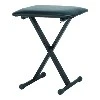
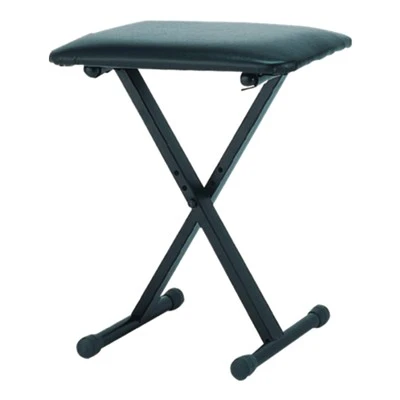
Apart from all the different types, foldable piano benches are easy to carry and store due to their light weight and folding feature. Thus they are more preferred for on stage performances and even in homes where space is confined. Mostly these benches are seen to be used with digital pianos and keyboards.
Our Factory
Chi Nan Enterprise CO., LTD was established in 1986 and is headquartered in Chiayi, Taiwan. We specialize in the development, manufacturing, and production of various types of support products. Our range includes hand crank horn stands, lighting stands, TV mounts, tablet mounts, microphone stands, keyboard stands, guitar stands, and more, catering to the preferences of markets in Europe, America, Japan, and Taiwan.
We are dedicated to providing comprehensive OEM / ODM services to clients worldwide and established the CNBear brand division in 2016. CNBear is composed of a highly skilled and dynamic team focused on professional research and quality management.
In this era of diversification, we possess specialized capabilities to keenly observe market trends and understand customer needs. Our factory boasts significant production scheduling flexibility, handling not only small batch orders but also offering OEM / ODM private label manufacturing to ensure product diversity and high quality.
CNBear remains committed to delivering unprecedented innovative choices with a steadfast promise of high quality.
Asked Questions
We're professional piano bench manufacturers and suppliers in China. Please feel free to wholesale high quality piano bench in stock here from our factory. For customized service, contact us now.
instrumentalist s stool, white piano bench, piano bench